Tag

Florida

Browsing
Facebooktwitterredditpinterestlinkedintumblrmail

American Medicine Today visits with the University of Florida in Gainesville, Florida.

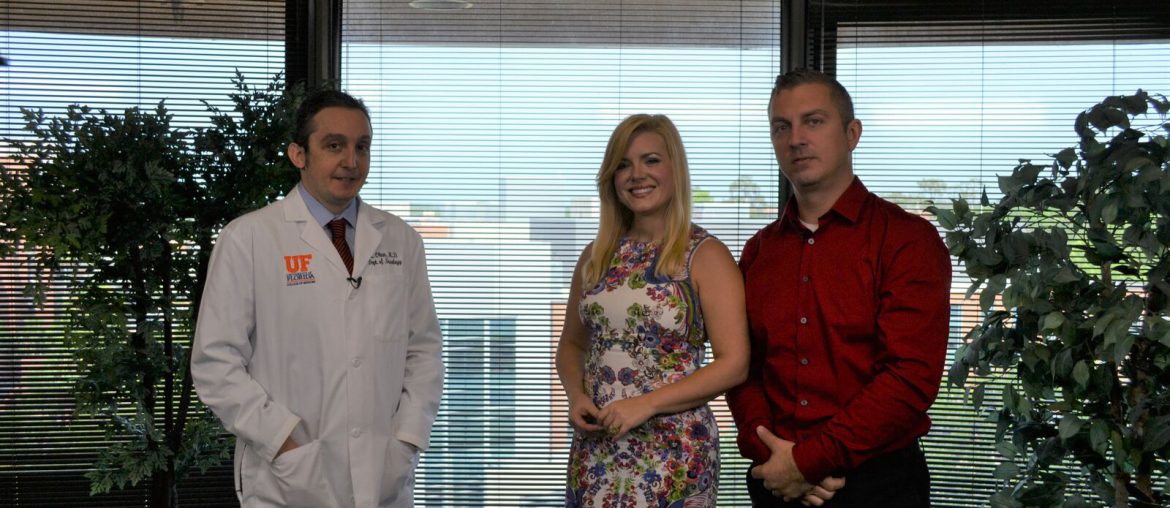
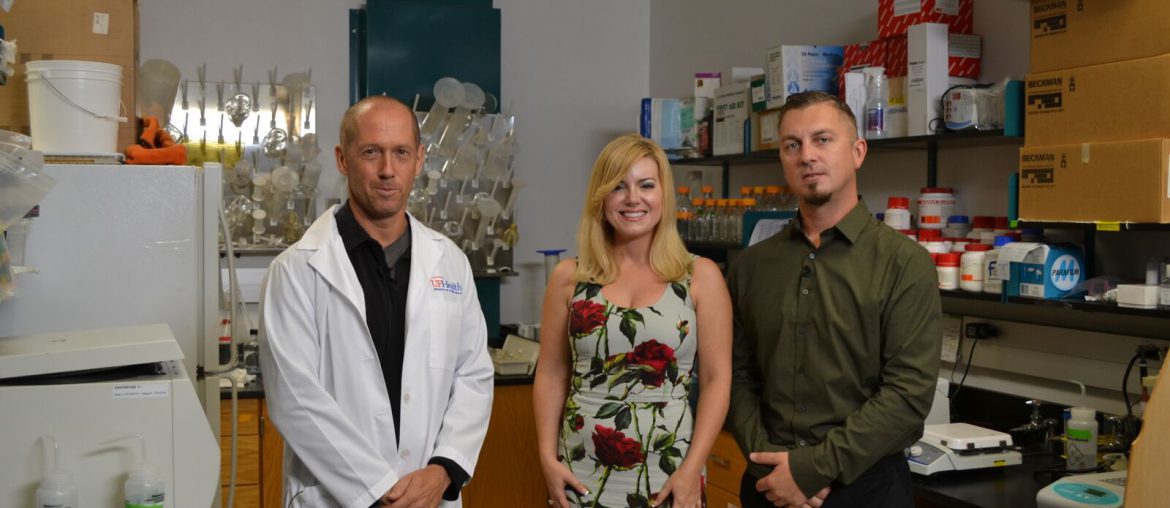
Glioblastoma is a grade 4 brain tumor (with 1 being the least severe and 4 being the most). Once diagnosed, death usually occurs within 12-15 months.  However, Dr. Brent Reynolds, Professor of Neurosurgery at the University of Florida Health has discovered that a specific diet appears to slow the growth of progressive brain tumors in mice. The Ketogenic Diet  was developed in the 1920’s for children with epilepsy and was known to greatly reduce the amount of seizures children were experiencing. This ‘fasting’ type of diet is very low in carbohydrates and very high in fat.  Lacking carbs, the body’s glucose levels lower and then process the abundant fat cells into ketone bodies which in turn, slow tumor growth. Though currently in human testing trials, you don’t have to wait for FDA approval to put yourself on a high-fat, low-carb diet.

Learn more about this discovery from UF Health here: https://ufhealth.org/news/2016/lower-carb-diet-slows-growth-aggressive-brain-tumor-mouse-models

Facebooktwitterredditpinterestlinkedintumblrmail

American Medicine Today visits the Clearwater Marine Aquarium in Clearwater, Florida.

The Clearwater Marine Aquarium on the beautiful Gulf Coast of Florida is a fully operational aquatic animal hospital, where inspiring rescue work of marine life is conducted. It also happens to be a major tourist attraction for the area. During the segment we met up David Yates, CEO of CMA and the creative mind behind turning a small animal rehab center into a global cinematic phenomenon, as well as Julie Wendt, an animal care specialist who works with the resident dolphins, otters and pelicans – including the famous, Winter.

Learn more about the Clearwater Marine Aquarium here: https://www.seewinter.com/

Facebooktwitterredditpinterestlinkedintumblrmail

American Medicine Today visits with the Florida Fertility Institute in Clearwater, Florida.

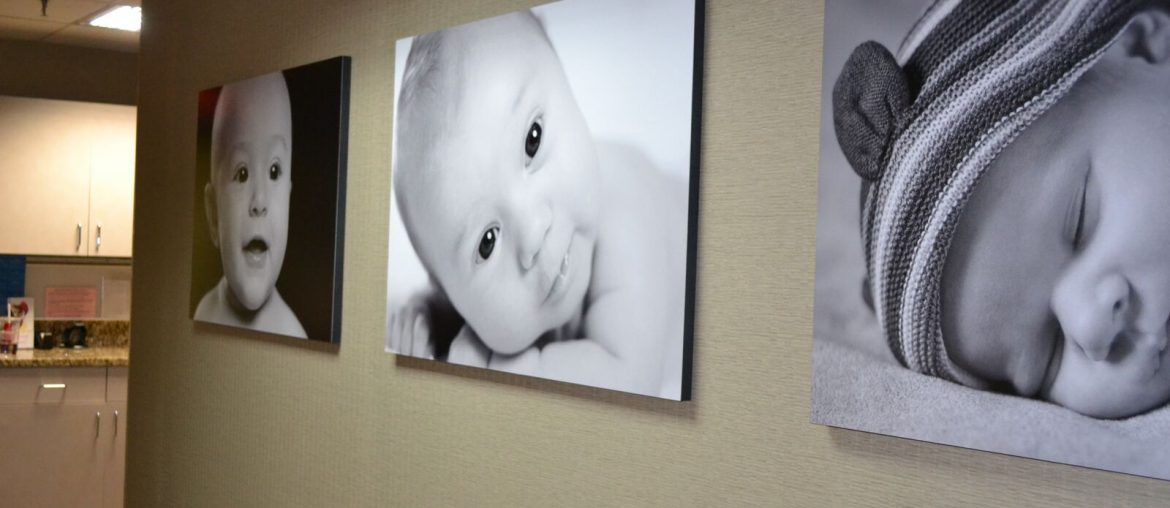
The first IVF, or inVitroFertilization, conception occurred in 1978 and became mainstream in the 1990’s. Since then, millions of babies have been conceived this way. Couples resort to IVF for a number of reasons, from Fallopian tube issues to male infertility.  During our visit, we talk to Dr. Mark Sanchez, a Board Certified OBGYN, specializing in Reproductive Endocrinology and Infertility at the Florida Fertility Institute about the latest advancements in conception medicine.

Learn more about the Florida Fertility Institute here: http://www.thefertilityexperts.com/

Facebooktwitterredditpinterestlinkedintumblrmail

American Medicine Today visits with Busch Gardens Tampa Bay’s Animal Care Center in Tampa, Florida.

Busch Gardens Tampa Bay is one of the largest zoos in North America, housing over 250 different animal species: everything from elephants, zebras and giraffes to hippos, gorillas, lions and many, many more. Taking care of these animals is no small feat and we speak to Dr. Pete Black, Senior Veterinarian and Bethany Fisher, Education Specialist about their daily responsibilities and what it takes to care for these beautiful animals. We also join Dr. Pete for procedures on a kangaroo and a bald eagle, while Bethany introduces us to Edgar Owl Poe an Eastern Screech Owl and official Busch Gardens Tampa Bay “Animal Ambassador.”

Learn more about Busch Gardens Tampa Bay’s Animal Care Center here: https://buschgardens.com/tampa/zoo/animal-experiences/animal-care-center/

Facebooktwitterredditpinterestlinkedintumblrmail

American Medicine Today visits with Sense-A-Life in Tampa, Florida.

On average, 37 children die after being left in hot cars each year in the US alone.  That’s roughly one child every nine days.  Thousands more are hospitalized due to heat stroke or heat related injuries. We speak with Fadi Shamma, co-creator of Sense-A-Life, about this device and how it works with your smart phone to ensure no child is ever left in a hot car.

Learn more about this life-saving device here: http://www.sensealife.com/

Facebooktwitterredditpinterestlinkedintumblrmail

American Medicine Today visits with the University of Florida in Gainesville, Florida.

Deep Brain Stimulation (or DBS) is a type of advanced therapy for treating Parkinson’s Disease that takes advantage of the circuits of the brain. While not a cure for the illness, it can lessen some of the symptoms dramatically. By surgically placing a small probe inside the brain, doctors can monitor and manipulate the electrical signals transmitted throughout the body and alleviate tremors. We talk to Dr. Michael Okun, Chairman of the Department of Neurology at University of Florida and Dr. Kelly Foote, Co-Director of the University of Florida’s Movement Disorders Center about this amazing new therapy.  We also visit with John Alexander, a tremor-dominant Parkinson’s Disease patient who was the first to receive this DBS system.

Learn more about UF Health’s deep brain stimulation system here: http://movementdisorders.ufhealth.org/surgery/deep-brain-stimulation-surgery/

Facebooktwitterredditpinterestlinkedintumblrmail

American Medicine Today visited The McCormick Research Institute in St. Cloud, Florida.

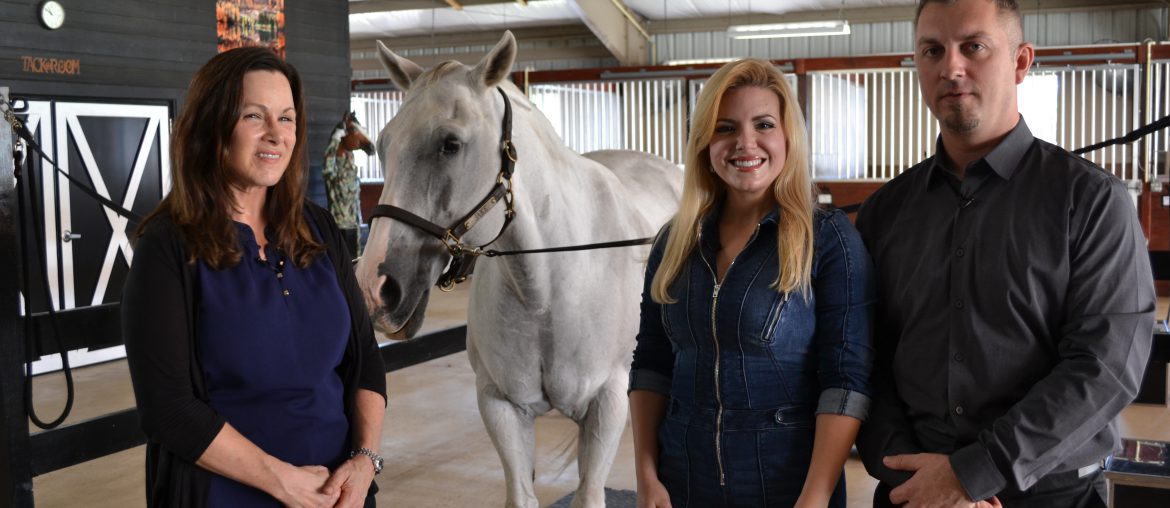
The Institute is home to ‘Horses & Heroes,’ a program for veterans suffering from PTSD and ‘Heavenly Hooves,’ another program serving special needs individuals.  During the segment, we speak to Dr. Manette Monroe, Professor of Pathology at the University of Central Florida and Director of Research at McCormick Institute, as well as Caity Wall, the ‘Horses & Heroes’ Program Manager.  We also hear program success stories from Shemallian “Shemmy” Arrieta,  a Second Class Master-At-Arms in the Navy, and a Corporal E4 in the Marine Corps and Francesca Langston, a Corporal in the Marine Corps.

To learn more about The McCormick Research Institute and their equine therapy programs, visit the link here: http://mccormick.us/